Sports nutrition is more than the right food; it’s about the timing, quality, and knowing what fuels the body for the peak athletic performance. Mastering the art of nutrition for athletes can lead to more endurance, faster recovery, and reduced risk of injury, be it a weekend warrior or an elite professional. Here’s a guide to the essential sports nutrition principles that help athletes maximize their performance.
Table of Contents:
Why Sports Nutrition Matters
Proper nutrition forms the core importance to the athlete’s performance and recovery capability. Of course, it is food that provides all those required vitamins and minerals, proteins, fats, and carbohydrates for building endurance and strength.
Ideally, sports nutrition helps ensure proper body weight; enhances fast recovery; saves from fatigability and dizziness; and increases one’s capability for concentration.
Key Macronutrients for Athletes
Every single macronutrient has a unique contribution to athletic performance:
Carbohydrates
These are the primary sources of energy, especially when one is involved in strenuous workouts. Carbs are stored in muscles and the liver as glycogen, which is easily broken down to give instant energy. It has been proven that adequate levels of glycogen equal energy and endurance over a workout. Complex carbohydrates sources, such as whole grains, oats, and quinoa, can be considered good options for athletes because they keep the supply of energy steady rather than spiking blood sugar.
Proteins
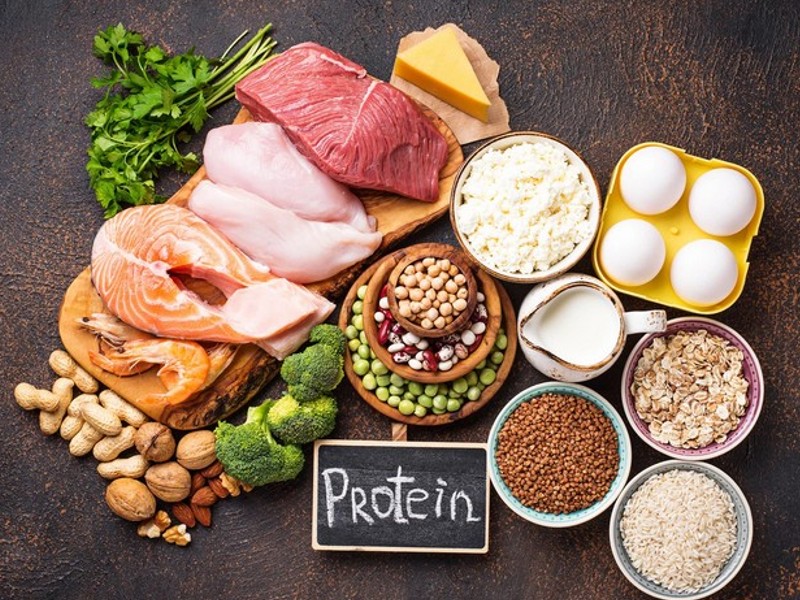
Proteins will help repair the tiny tears muscles create from intense physical activities, making muscles grow and stronger. Good sources of lean proteins are chicken, fish, legumes, and plant-based sources like tofu. These sources are rich in essential amino acids without saturated fats.
The International Society of Sports Nutrition provides an objective review of protein intake for healthy, exercising individuals. For building muscle and maintaining muscle mass, an overall daily protein intake in the range of 1.4–2.0 g protein/kg body weight/day is required.
Fats
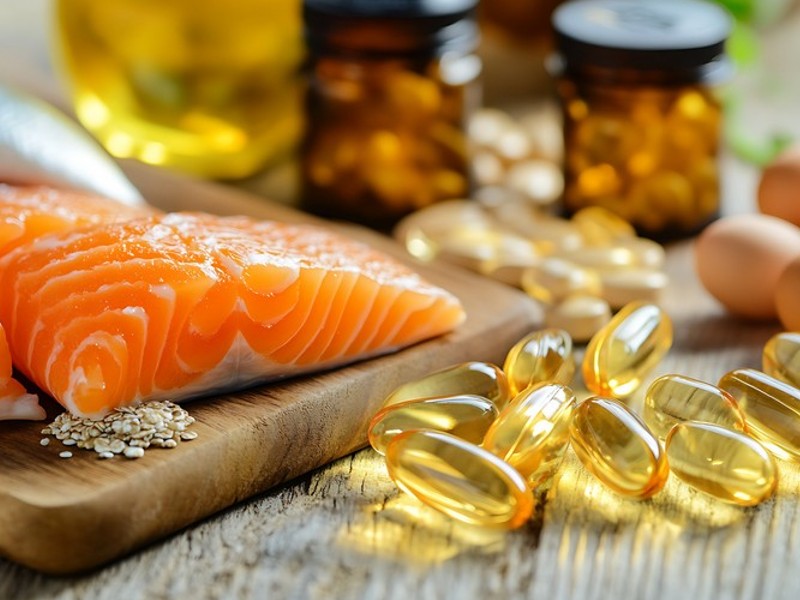
Healthy fats, such as those from avocados, nuts, seeds, and olive oil, are important for cell structure and hormone production. They are a favorite source of energy for low-to-moderate intensity exercise. Omega-3s in fish, chia, and flaxseeds, among others, also reduce inflammation necessary for recovery.
Omega-3 can improve athletic performance by increasing muscle strength, endurance, and recovery.
Micronutrients: The Power Players
Athletes also require many different vitamins and minerals in order to perform optimally. Here are some key ones:
Iron
These help the body transport oxygen, eliminating fatigue and encouraging endurance. Female athletes especially require adequate levels of this mineral because women suffer more frequently from this deficiency than men. Lean red meat, beans and dark leafy greens are all excellent sources.
Calcium and Vitamin D
These nutrients are very important for bone health, reducing the risk of fractures and injuries. Calcium can be obtained from dairy products and fortified plant-based milks, while Vitamin D is obtained from sun exposure and foods such as eggs.
B Vitamins
They play a crucial role in energy metabolism. B Vitamins assist athletes in breaking food into energy. Good sources of B vitamins include whole grains, eggs, and leafy greens.
Antioxidants
Exercise increases oxidative stress in the cells. Neutralization can be accomplished using antioxidants like Vitamin C, Vitamin E, and selenium. Examples include berries, nuts, seeds, and citrus fruits.
Hydration: The Unsung Hero
Hydration is largely a component of sports nutrition, which the world seems to forget. It remains one of the most imperative components of sports nutrition. Small levels of dehydration result in the weakening of performance, with effects such as dizziness and fatigue and muscle cramping. Water in exercise enables the regulation of body temperatures, lubrication of the joints, and transportation of nutrients to where they should be used.
As part of sports nutrition, drinking enough water is important every day, but especially when sports are part of your routine, and you may need electrolytes as well.
This should be proportionate with the body weight of the athlete, intensity of the exercises of his, and the environmental condition, but the general recommendation is to take two hours before exercising, a glassful amount of 500 ml is taken in, and in the process of exercise, every 15-20 minutes, 150-200 ml. Replacement of electrolyte is vital as sodium, potassium, and magnesium all play a vital role in muscle functioning. Sweat-loss electrolytes can also cause spasm in the muscles.
Timing is Everything
Knowing what to eat, as well as when, can easily make a world of difference in one’s sporting performance:
Meal Prior to Exercise
A 2- to 3-hour pre-training meal that incorporates complex carbohydrates, protein, and good fats will prolong energy storage. A mini-snack with high amounts of carb, such as a banana or a granola bar, 30 to 60 minutes pre-training offers an added energy load without adverse digestive effects.
During Exercise
For activities over 60 minutes, athletes should consume simple carbohydrates to maintain a supply of energy. Sports drinks, gels or even a small snack, such as dried fruit, are readily digestible sources of quick energy.
Recovery after Workout
The post-exercise time or the “anabolic window” is a moment for recovery. Carbohydrates with protein within half an hour after exercise will have glycogen stores replenished and also repair the muscles. Fruit smoothie with some protein or a turkey sandwich on whole-grain bread will do just fine as post-exercise recovery food.
Supplements: Supplementing without substituting
Although a well-balanced diet is the foundation of sports nutrition, some athletes do require supplementation. Creatine helps with muscle strength and mass, while BCAAs assist with muscle repair. Protein powders are convenient for athletes that incur higher protein requirements or are placed on diets with dietary restrictions.
Sports nutrition supplements include powders, pills, drinks, energy and protein bars intended to boost athletic performance in some way.
Always consult a sports nutritionist or healthcare provider before introducing new supplements to the diet, making sure they are safe for the athlete’s purpose and health status.
Adjusting Nutrition to Various Sports
Different sports have different athletic demands. For example:
Endurance Athletes
Distance runners and cyclists require more carbohydrates to maintain glycogen stores.
Strength Athletes
The weightlifter and the bodybuilder need protein, which is the most important element for muscle repair and building.
High-Intensity Sports
Basketball and soccer require short spurts of energy, where a combination of carbs gives quick fuel and proteins support recovery.
Every sport is different, and the type of activity can influence the need for nutrition, and sometimes the difference is an edge in performance.
The Mind-Body Connection: Listen to Your Body
Maybe most importantly, it’s realizing that your body has needs too. Training and nutrition are not one-size-fits-all; what works for one person might not work for another due to their metabolism, food sensitivities, and lifestyle. Athletes can use mindful eating practices to make choices that show respect for their unique body and support their individualized goals.
Dr Stacy Sims: The best sports nutrition supplements for women.
Conclusion
Sports nutrition is part of that toolbox. With the mix of the right mix of nutrition, the right timing of meals toward performance, and specific demands for the particular needs it presents, an athlete’s peak performance is supported at the same time as an interest in long-term healthy functioning. The bottom line: sports nutrition is for making the body perform even better than it would be if it did so out of habit alone, advancing and making informed decisions to have it run like a good machine – because fueling well is playing well.